
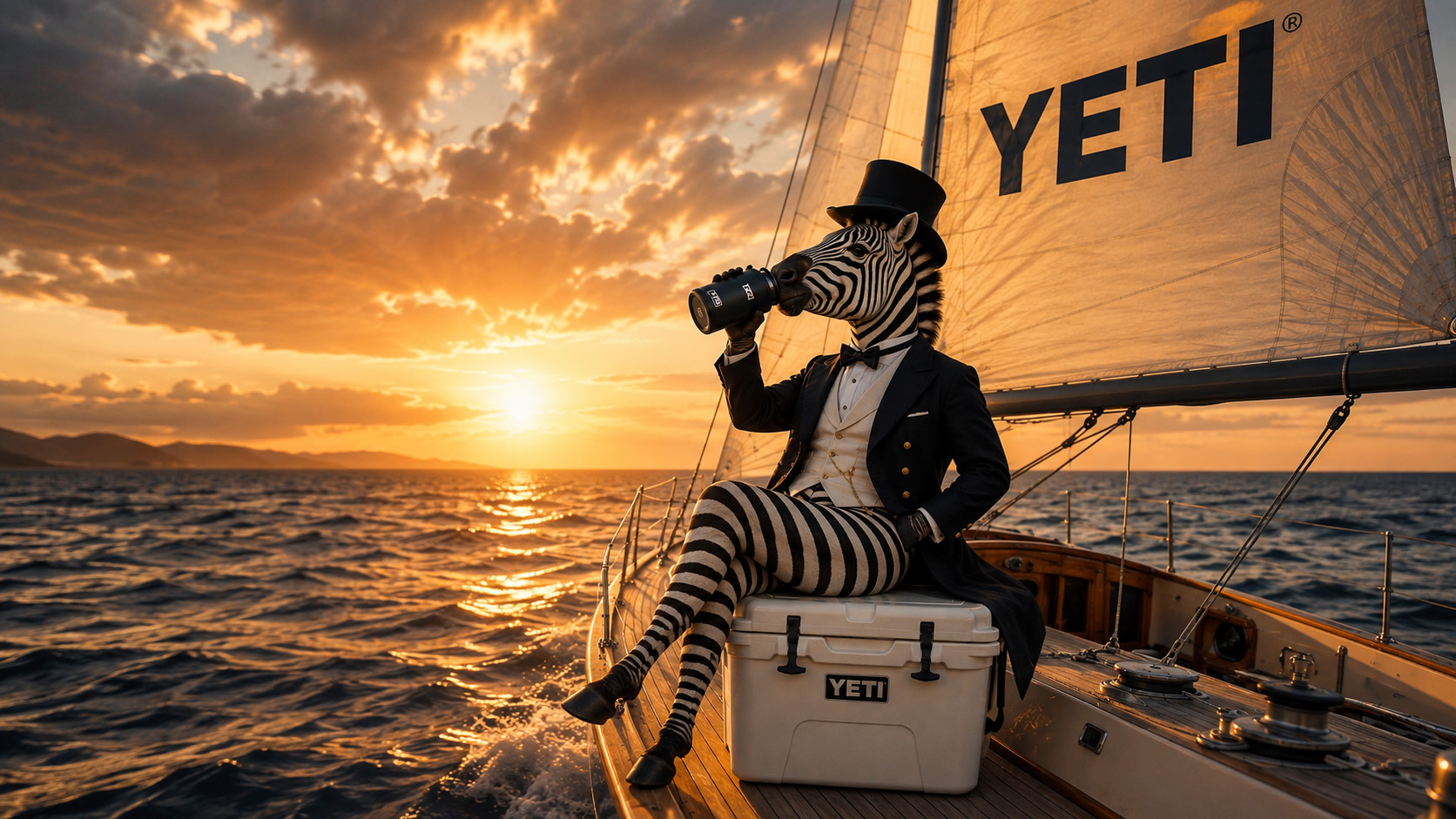
There has been so much conversation around AI in the creative industries, and particularly in video production. One thing that is becoming increasingly clear to me is the conversation around Authenticity vs AI.
And the conversation is real… unlike most of my Instagram feed.
Early predictions suggested creatives would already be redundant by now, particularly those refusing to adopt AI. Yet here we are, still busy, still filming, and like most creatives, dipping our toes into the AI ocean of opportunity. You'd be doing yourself a disservice by blocking it out completely. We certainly don't. We see AI as an amazing collection of tools that improve workflows, accelerate ideas and remove some of the traditional production hurdles.
From a production company's perspective, AI is incredibly attractive. It promises fewer production meetings, no catering budgets, reduced crew costs, no waiting for good weather and instant gratification as scenes appear on your screen within seconds. If my client wants a zebra wearing a top hat while texting a friend inside a dusty old library, no problem—job done.
The reality is our clients don't sell imaginary zebras. They are real organisations with real people, real workplaces and real stories to tell. They need authenticity to communicate their message. AI still can't accurately recreate a specific location, capture a leadership team interacting naturally, or replicate the subtle details that make an organisation unique. But even if it could, there is a much bigger issue.
Authenticity.
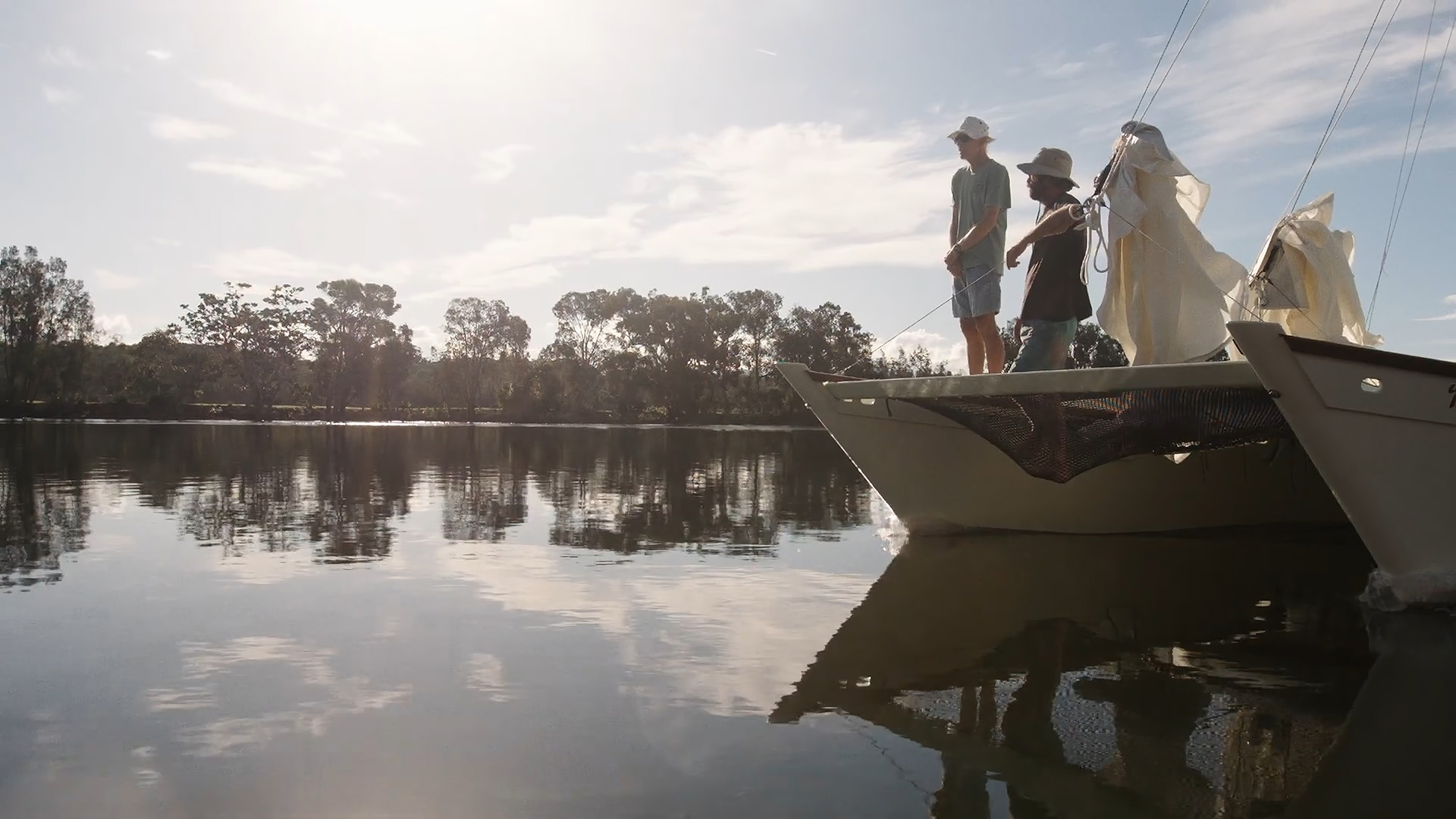
Brands are listening to their audiences, who seem to be craving genuine stories and real human experiences more than ever before. Companies are recognising that authentic storytelling builds trust in a way highly polished, manufactured content simply can't. Increasingly, they're choosing to position themselves as honest, relatable organisations by putting real people and real stories at the centre of their communications.
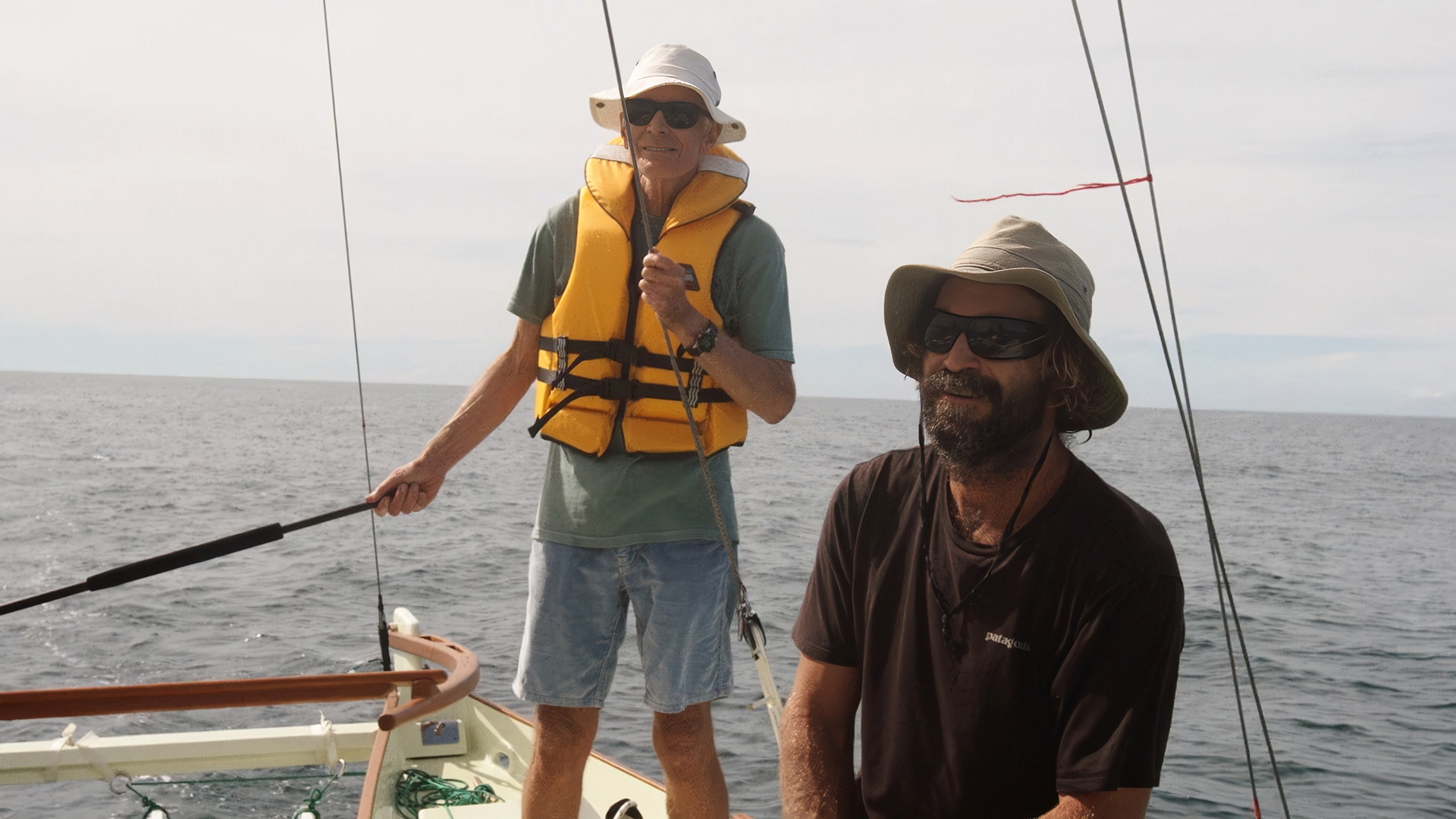
At Fotomedia we work with national and international brands that continually choose to align themselves with authentic human stories. One of my favourite examples is YETI, whose brand is built around extraordinary people living extraordinary lives outdoors. Several years ago, Fotomedia completed the post-production on a film following a father passing down his knowledge of surf craft, the ocean and fatherhood to his son.
It was a beautifully simple story that came from a place of complete authenticity. In fact, the brand deliberately avoided obvious product placement, allowing the story to speak for itself before quietly acknowledging YETI in the final design lock-up. That's the power of authenticity. The audience remembers how it made them feel long after they've forgotten the product.
My view is that AI marketing looks brilliant and the hype is certainly real. But when it comes to creating content for organisations that need to communicate trust, culture and genuine human connection, the software still struggles to produce the accuracy and authenticity we need. That's why I believe our cameras won't be collecting dust anytime soon.
We don't see AI as a replacement for filmmakers, photographers or storytellers. We see it as an assistant—an incredibly capable one. It helps us visualise ideas, streamline production and improve efficiency, but it still lacks the ability to capture the moments that actually matter. The laugh between colleagues, the pride in a founder's voice, the atmosphere inside a workplace or the emotion that comes from a story that genuinely happened.
After almost 30 years behind the camera, I've seen technology transform filmmaking time and time again. Film became digital, HD became 4K, drones changed aerial cinematography, and now AI is changing how we plan, create and produce content. Every advancement has made us better at what we do, but none has replaced the reason we do it.
I think audiences are slowly pushing back against endless streams of synthetic content and rediscovering the value of authentic storytelling. The commercial world is following the same path because brands understand that trust is earned through genuine human experiences, not generated imagery. AI will continue to play an important role in our industry, and we'll continue embracing it where it adds value. But when authenticity is the brief—and increasingly, it is—there's still no substitute for pointing a camera at something real.
